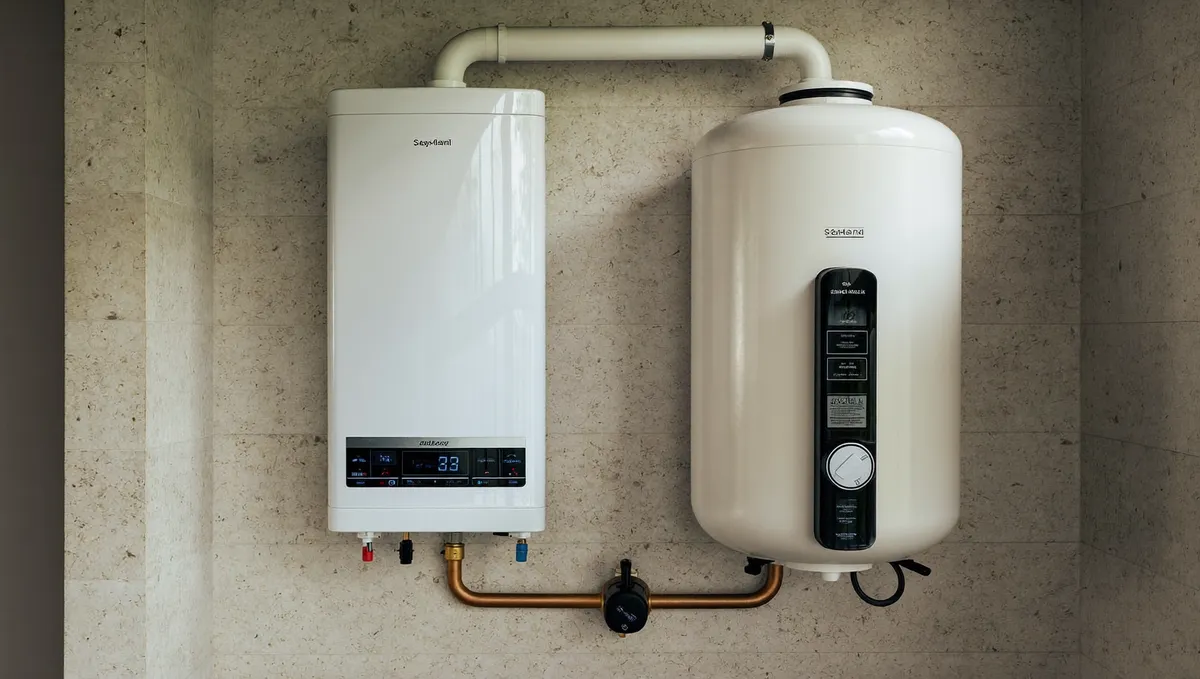
In this article I want to tell you about the water heater decisions that cause the most regret in Bali villa ownership. The two most common: buying an instant electric heater for a three-bathroom villa (underpowered for simultaneous use), and buying a cheap non-branded storage heater that fails after two years in Bali's hard water. Both mistakes are avoidable with a bit of upfront understanding.
Electric Storage vs Electric Instant vs Gas Instant
Electric storage heaters (tank type) are the most common choice in Bali villas. A tank of water is heated and held at temperature — typically 50–60°C. Advantages: delivers full hot water pressure immediately when the tap opens (no delay while water heats), handles multiple simultaneous users better, and doesn't require a gas supply. Disadvantages: the tank takes 30–60 minutes to reheat after heavy use, and it maintains temperature continuously (using electricity even when not in use).
For a single bathroom with 1–2 users: 10–15 litre electric storage is the standard choice and works well. For a villa with 2–3 bathrooms and simultaneous users: 50–80 litre storage, or separate smaller units per bathroom. For a villa with 4+ bathrooms: either a large 100L+ central unit or individual units per bathroom.
Electric instant heaters heat water on demand as it flows through the element. No tank. Advantages: unlimited hot water, lower standby power use, smaller unit size. Disadvantage: the flow rate is constrained by the element power rating. A standard Indonesian 220V/2500W instant heater produces warm water at low flow but cold water at full shower flow. For a genuinely comfortable shower, you need a 4000W+ unit on a dedicated circuit — which requires checking your villa's PLN rating. Most Bali villas on standard 2200VA PLN supply cannot add a 4000W instant heater without upgrading the electrical supply first.
Gas instant heaters heat water on demand using LPG. They produce far higher flow rates than electric instant units — a standard Rinnai or Paloma gas heater at 16L/min comfortably supplies a full-pressure hot shower simultaneously with another bathroom running. Advantages: unlimited hot water, high flow rate. Considerations: requires LPG supply (standard 12kg cylinders work fine), and the installation location must have ventilation — these produce combustion gases and cannot be installed in a sealed room.
Sizing Guide for Bali Villas
The sizing question I get most often from villa owners: "how big a heater do I need?" Here's a practical reference based on typical Bali villa usage patterns:
1 bathroom, 1–2 regular users: 10–15 litre electric storage. A 10L Ariston Andris or Wika EWH10 is the standard choice. Costs IDR 600,000–900,000 for the unit plus installation.
1 bathroom, short-term rental use (guests taking showers in quick succession): 30 litre storage or gas instant. The 10L tank will run out if two guests shower consecutively without a 40-minute wait.
2 bathrooms: 30–50 litre central storage, or one 10–15L unit per bathroom. Per-bathroom units are generally more reliable — if one fails, the other bathroom still has hot water.
3+ bathrooms, villa rental: gas instant per floor level is the standard professional choice. One Rinnai REU-N1616W or equivalent per 2 bathrooms gives unlimited hot water with no capacity constraints.
Bali-Specific Maintenance Notes
Three maintenance points that matter more in Bali than in most other locations:
Scale flushing: Bali well water deposits scale on heating elements. An annual tank flush — opening the drain valve and running water through until clear — removes the sediment layer that otherwise insulates the element and forces it to run hotter. Takes 20 minutes and extends element life significantly.
Anode rod inspection: storage heaters have a magnesium or aluminium anode rod that sacrificially corrodes to protect the tank steel from Bali's mineral-rich water. In hard water the anode depletes faster than the standard 5-year replacement interval suggests. Check at 3 years — a depleted anode (down to the core wire) means the tank itself will start corroding.
Electrical connections: the terminal block inside the heater sees Bali's humidity and experiences more corrosion than in drier climates. Loose or corroded connections cause arcing, which damages the thermostat. Annual terminal inspection — check for discoloration or oxidation — prevents the most common electrical failure mode.
Need a Water Heater Installed or Replaced?
Tell us your villa setup — number of bathrooms, current unit if replacing, PLN rating — and we'll recommend the right unit and give you a clear installation quote.
WhatsApp for Advice